
Slab Leak Water Damage Restoration in Plano, TX
Updated: Sep 13
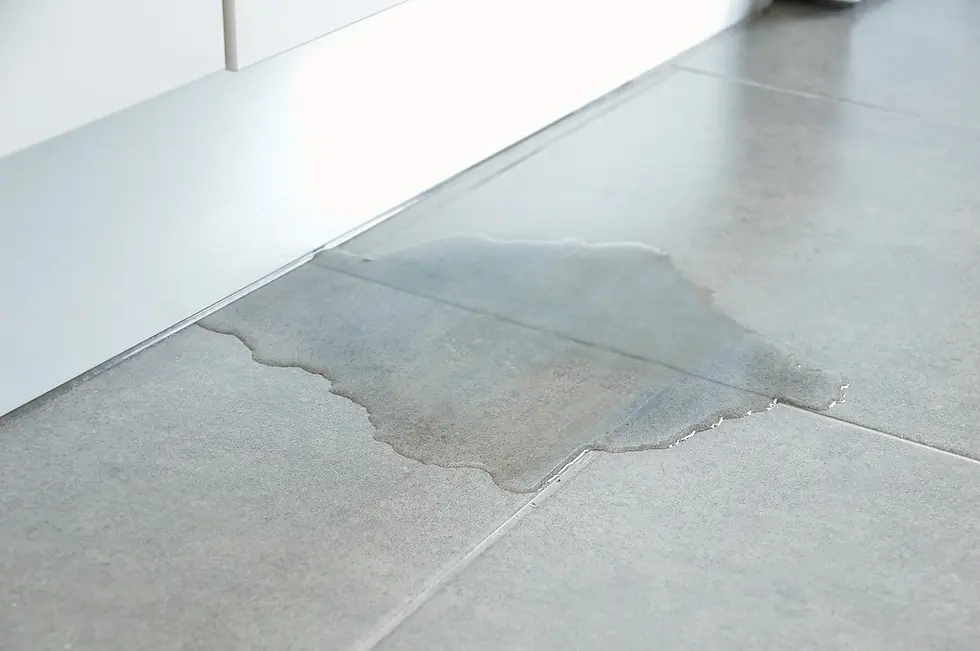
A slab leak happens when a water line beneath your home’s concrete foundation cracks or breaks. Because the leak is hidden under the slab, Plano homeowners often don’t notice it until moisture reaches the flooring, walls, or baseboards. At that point, the issue becomes a water-damage problem, not just a plumbing issue. Our slab leak water damage restoration services focus on the moisture damage left behind after the plumbing source has been repaired. Like damage caused by burst pipes, it can require professional moisture detection, structural drying, and repairs to affected materials, similar to the work performed in our Plano water-damage restoration projects.
This guide explains how slab leaks form, what signs to watch for, why Plano homes built from the 1960s–1990s experience them more regularly, and how Floors To Ceiling Restoration steps in after a plumber repairs the leak at its source.
Why Plano Homes Built From the 1960s–1990s Are More Prone to Slab Leaks
Much of Plano’s residential development accelerated between the mid-1960s and late 1990s — including areas around Parker Rd, Custer Rd, Central Plano, Spring Creek Pkwy, and parts of East Plano. Homes built in this era share common factors that raise slab-leak risk as they age:
Aging copper lines under the slab
Copper plumbing was standard during these decades. After 30–60 years, these lines can corrode or form pinhole leaks.
Clay soil movement over time
Plano’s expansive clay soil expands when wet and contracts when dry. This constant shifting places stress on the pipes beneath the slab.
Normal foundation settling
Homes from the 60s–90s have undergone multiple decades of settling, which can strain older water lines.
Multiple layers of old flooring
Remodels over the years sometimes leave stacked flooring layers. These can trap moisture and hide early signs of a slab leak, much like the issues we see in water-damaged flooring replacements across Plano and Frisco.
Because these homes are now 30–60 years old, slab-related water damage is common — not because homeowners did anything wrong, but simply because of age, soil movement, and the materials used at the time.
Early Signs a Slab Leak May Be Starting
Despite being hidden, slab leaks usually create subtle indoor clues:
Warm or damp spots under tile, carpet, or wood
Flooring that bubbles, warps, or feels soft
Higher-than-normal water bills
Hairline cracks in tile, grout, or baseboards
Musty or earthy odors
Low water pressure with no visible leaks
When these signs appear, it often means moisture has already entered the home’s structure. You can also reference our blog Common Causes of Water Damage in Homes — and How to Spot Them Early for additional warning signs.
How Slab Leaks Create Hidden Water Damage
Water rising from beneath the slab can spread widely before homeowners ever see a puddle. It can:
Soak subfloors
Wick into drywall
Lift or damage the flooring
Create pockets of trapped moisture
Lead to microbial growth inside the walls
Plano’s clay soil can also push moisture sideways under the slab, causing water to appear in rooms far away from the leak source.
What Homeowners Should Do First
Because a slab leak originates in the plumbing system, the first step is always to contact a licensed plumber to diagnose and repair the leak.
Homeowners can:
Reduce water usage to slow the spreading.
Document damage for insurance.
Avoid waiting for floors to “air dry” — that traps moisture.
Call a restoration company as soon as you notice moisture on flooring, drywall, or cabinetry.
Once the plumbing repair is complete, the restoration process can begin.
How Floors To Ceiling Restoration Helps After a Slab Leak
After a plumber repairs the leak, Floors To Ceiling Restoration handles everything related to the water damage inside the home, including:
Moisture inspection and mapping
Structural drying of flooring, subfloor, and walls
Removal of damaged materials when required
Flooring replacement (LVP, laminate, tile, hardwood, carpet)
Paint, trim, cabinetry repair, and finish work
If flooring needs to be replaced, you can see how we handle it in Water-Damaged Flooring Installation in Frisco.
Plano homeowners appreciate that our team provides start-to-finish restoration, ensuring the home is properly dried, repaired, and put back together.
Tips to Reduce Future Water-Damage Impact
While no one can fully prevent underground line issues, homeowners can reduce the risk of severe damage:
Monitor water bills for unexplained spikes
Maintain stable soil moisture around the foundation
Address minor foundation cracks early
Install smart leak-monitoring devices when possible
For more preventive guidance, you can also review our blog, Water Damage Left Untreated: What Happens Next?
Awareness is often the best tool — catching symptoms early limits the amount of moisture that enters the home.
If a slab leak has already caused indoor water damage in your Plano home, Floors To Ceiling Restoration can help with the drying, mitigation, and rebuilding once the plumbing repair is complete.
Call 469-446-9410 for fast assistance and a clear restoration plan.
Helpful FAQs for Plano Slab Leak Situations
What makes slab leaks harder to recognize compared to other types of water damage?
Slab leaks happen under the concrete foundation, so the water usually rises slowly into flooring or baseboards rather than creating obvious puddles. Plano homeowners often notice small changes—like warm tiles, soft spots, or faint odors—long before they see standing water. These early signs are similar to issues we address in our Plano water damage restoration projects across the city.
Does homeowners' insurance cover slab leak water damage in Plano?
Insurance policies vary, but many cover the resulting water damage, not the plumbing repair itself. That frequently includes damaged flooring, walls, trim, or cabinets once the leak is fixed. For more guidance on acting quickly when moisture is first discovered, homeowners can review our blog on why fast mitigation matters.
How quickly can slab-leak moisture spread inside a home?
Moisture from a slab leak can travel across the underside of the foundation and move into flooring layers faster than most people expect. Because Plano’s clay soil can push water sideways under the slab, the first visible signs might show up far from where the leak started. If flooring becomes damaged, our flooring installation page explains how replacement is handled during the rebuild stage.
Which parts of the home are most likely to need repair after a slab leak is fixed?
Once the plumber repairs the leak, the most commonly affected areas are the flooring, subfloor, lower drywall, and baseboards. In some homes, moisture can also reach cabinets or built-ins. Floors To Ceiling Restoration restores these components through drying, demolition, and rebuilding. Homeowners looking for examples of post-damage reconstruction can explore our blog post on installing water-damaged flooring.


